What happens when Europe’s climate ambition meets the realities of city leadership?
For Europe’s Mission Cities, the era of ambition is over. It is one thing to announce a climate target. It is another to reorganise around it.
At a pre-Expo event in Stavanger, European and local voices confronted the question facing cities across the continent: how do you turn climate ambition into actual delivery?
Hosted by Nordic Edge, the University of Stavanger and the SUNSET project, the event opened a broader conversation about hope in action through the lens of the EU Missions. But the evening quickly centred on a more specific challenge: whether cities are truly equipped to lead the transition they have committed to.
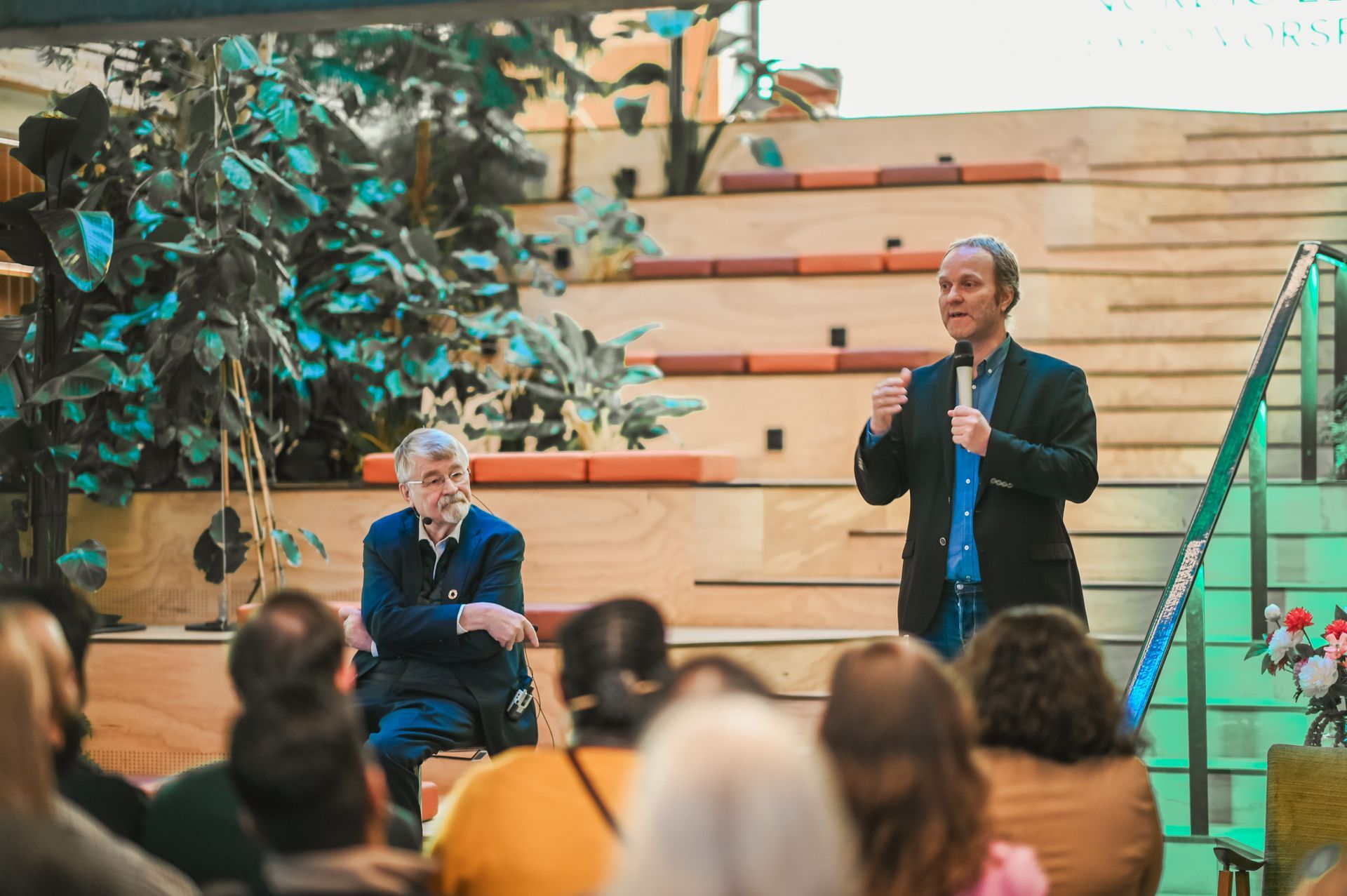
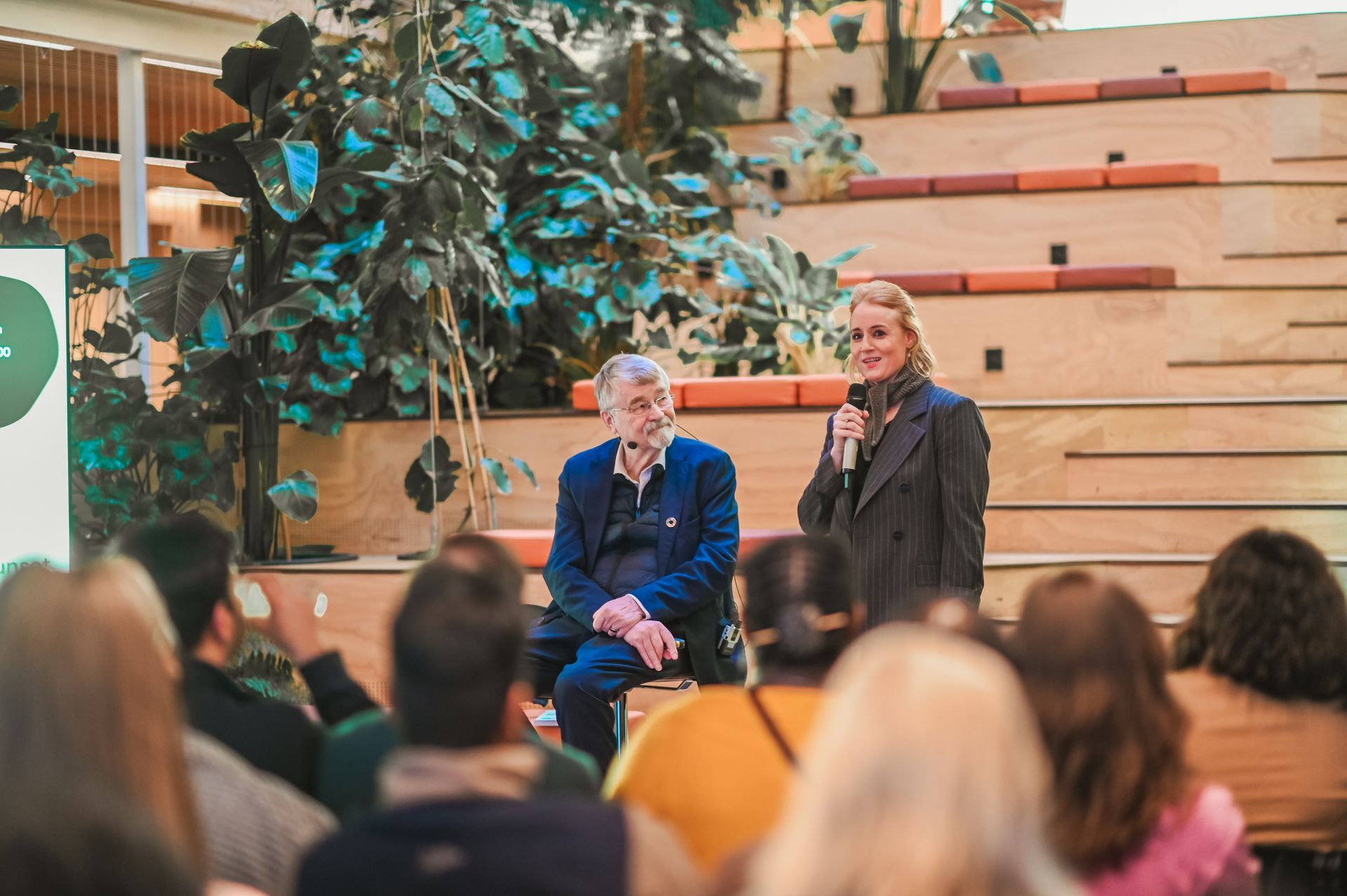
Bringing the European gaze to Stavanger
Joining the conversation from Helsinki, Markku Markkula brought a distinctly European perspective into the room. As a Finnish politician and First Vice-President of the European Committee of the Regions, he brought both political experience and a long-term view of how cities and regions can drive transformation.
There was no need to explain why Markkula mattered. As he spoke, phones came up to capture his slides, and a room full of researchers, founders, city officials and academics fell noticeably still.
His message returned to a few recurring themes: collaboration, mindset, societal innovation and the need for stronger place-based innovation ecosystems.
From implementers to orchestrators
One of the evening’s key messages was that cities should not think of themselves primarily as implementers. They must act as orchestrators and facilitators — bringing the right people, knowledge and institutions together to make change possible.
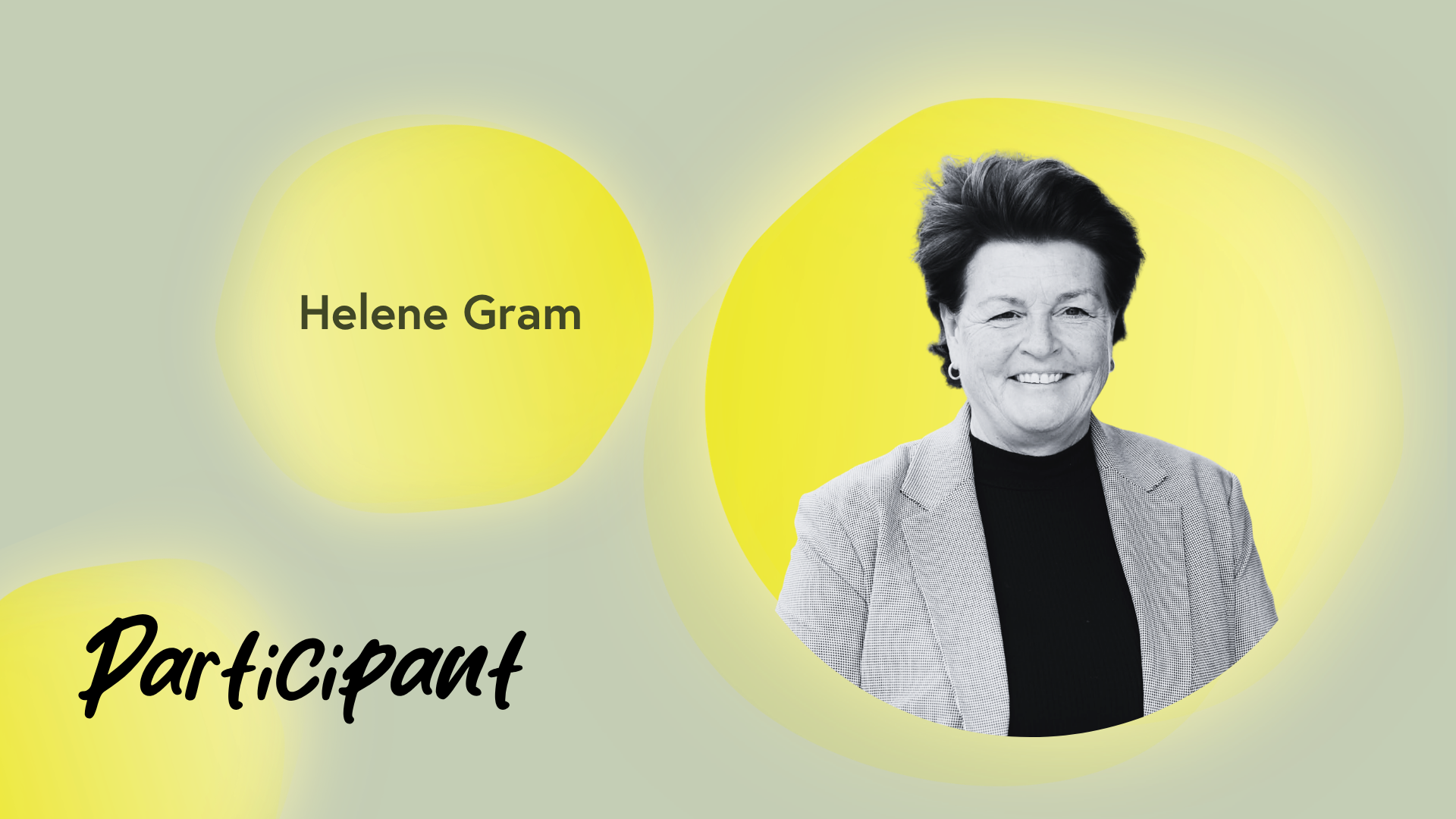
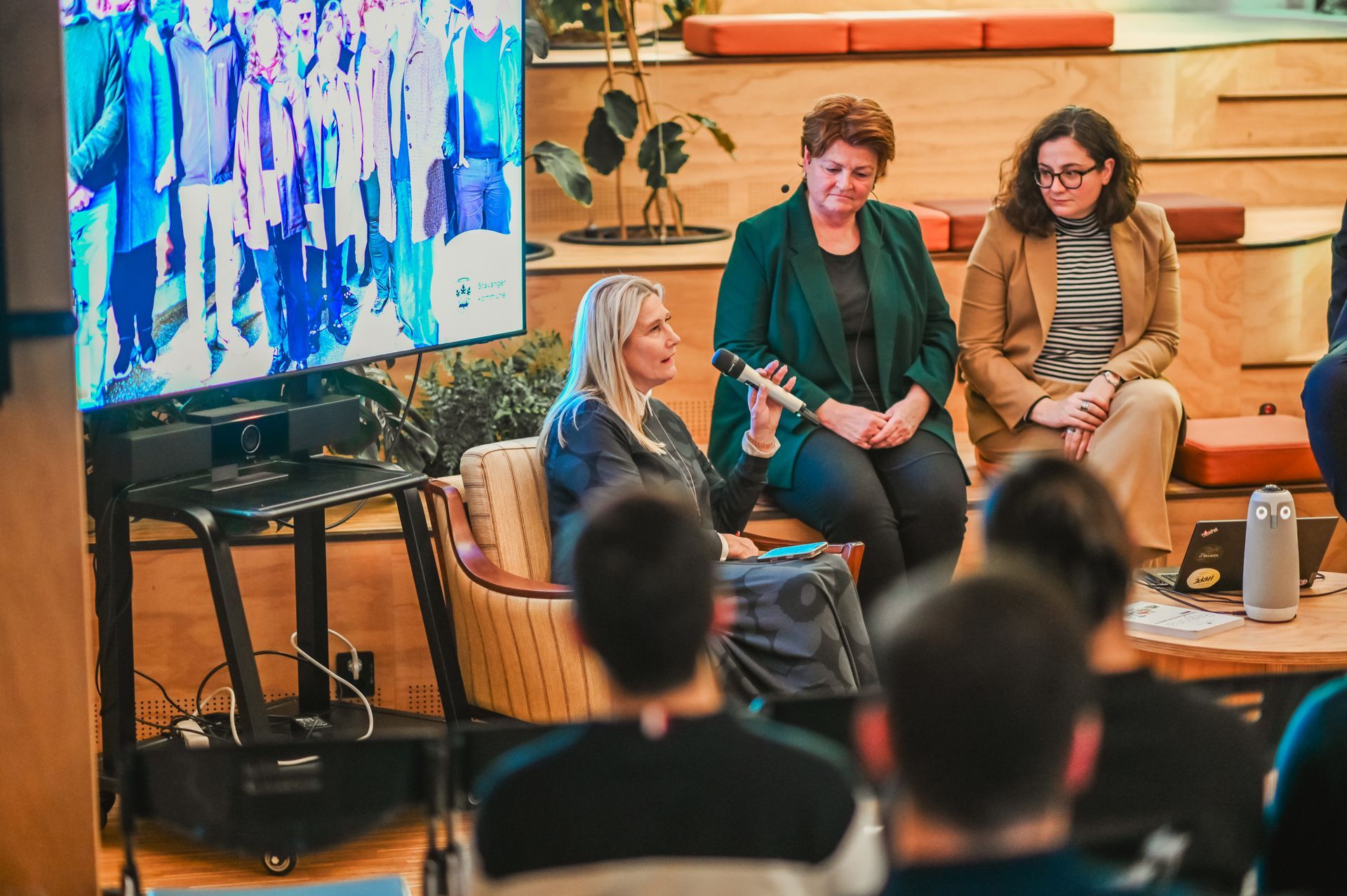
That idea carried into the panel discussion featuring Helene Gram from the City of Stavanger, Niki Frantzeskaki from Utrecht University, Taina Tukiainen from the University of Vaasa and Markku Markkula, moderated by Marte Cecilie Wilhelmsen Solheim.
The conversation pointed to what cities may need to meet the challenge: stronger ecosystems, closer collaboration and a broader understanding of innovation as something built between institutions — not within them.
Frantzeskaki emphasised that cities are where innovation happens, and that they have the power to act as frontrunners. Innovation, she noted, takes many forms. Sometimes, it is about creating new connections.
This is exactly the kind of conversation we look forward to continuing at Nordic Edge Expo 2026. Welcome!